
-

Hospital Address (+91-9810669324)
Manipal Hospital, Sector 6 Dwarka,
Dwarka, Delhi, 110075. -
Clinic Address (+91-8595428845)
Pinaak Healthcare Multispeciality Clinic
Sector 12B, Dwarka, New Delhi, India.
Hospital Address (+91-9810669324)
Clinic Address (+91-8595428845)
 February 25, 2026
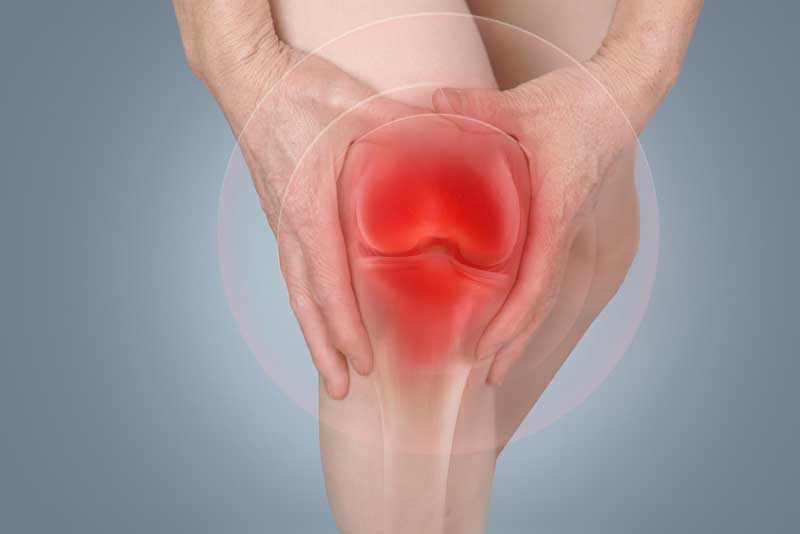
Knee pain is something many people ignore in the beginning. You may think it is just a small sprain or muscle strain. But if the pain does not improve, especially after twisting your knee or playing sports, it could be a meniscus tear. In such cases, timely care from a specialist is very important. Many patients today seek knee meniscus tear surgery in Delhi to prevent long-term knee damage and return to their normal activities.
Inside your knee joint, there are two C-shaped cartilage pads called meniscus. These act like cushions between the thigh bone (femur) and the shin bone (tibia). They help absorb shock, provide stability and allow smooth movement. As we grow older, the cartilage becomes weaker and more likely to tear even with minor movements.
A meniscus tear can happen due to:
The symptoms may not always appear immediately. In many cases, swelling increases over 1 to 2 days. If a torn piece of cartilage gets stuck inside the joint, the knee may suddenly lock and not move properly.
You may notice:
Many people try to manage knee pain at home and delay medical consultation. However, ignoring a meniscus tear can cause serious problems.
Without proper treatment, pain can worsen over time. Swelling may become frequent and limit daily activities.
A damaged meniscus affects smooth knee movement. You may find it difficult to walk, climb stairs, sit cross-legged or play sports.
A small tear can become bigger if left untreated. Larger tears are more difficult to repair and may require surgery.
A meniscus tear can make the knee feel unstable or suddenly lock in one position. This can make walking, bending or daily activities difficult and uncomfortable.
The meniscus protects the knee joint. If it is torn, extra pressure falls on the joint cartilage. Over time, this can lead to osteoarthritis, causing chronic pain and stiffness.
Early diagnosis and treatment can prevent these complications and protect your knee for the future.
A knee specialist performs a detailed physical examination and may suggest imaging tests.
Common diagnostic methods include:
Treatment depends on the size, type and location of the tear, along with your age and activity level.
Small tears may heal with conservative care, such as:
Physiotherapy strengthens the muscles around the knee and improves stability.
If the tear is large or causing persistent symptoms, surgery may be recommended. Today, most procedures are done using minimally invasive arthroscopic techniques.
In knee meniscus repair surgery in Delhi, small incisions are made and a camera (arthroscope) is inserted into the knee. The surgeon repairs the torn cartilage using advanced instruments. This method has several benefits:
In some cases where the tear cannot be repaired, the damaged portion may be carefully trimmed while preserving as much healthy tissue as possible.
Recovery is a gradual process. Rehabilitation plays a very important role in success. Following your doctor’s advice strictly ensures better healing and reduces the risk of re-injury.
Post-surgery care may include:
Knee health directly affects your mobility and quality of life. Choosing the right surgeon ensures accurate diagnosis, proper surgical procedure and structured rehabilitation guidance.
If you are considering knee meniscus tear surgery in Delhi, it is important to consult a highly experienced orthopedic specialist who focuses on advanced arthroscopic knee procedures.
For patients looking for expert care, Dr. Vishwadeep Sharma in Delhi is widely regarded as one of the best orthopedic surgeons for knee conditions. With extensive experience in arthroscopic and sports injury surgeries, he provides personalized treatment plans based on each patient’s condition and lifestyle needs.
Whether you need conservative management or knee meniscus repair surgery in Delhi, timely consultation with Dr. Vishwadeep Sharma can make a significant difference in your recovery and long-term knee health.
Do not ignore persistent knee pain. Early action today can protect your movement tomorrow.
Affordable Cost | Advanced Surgery | Specialist Dr. For Knee and Shoulder
